

Student Housing & Investment Property Marketing — Photography That Sells to Both Landlords and Student Tenants
Purpose-built student housing, share houses, and university-adjacent investment properties have a dual audience: the investor landlord buying the asset, and the students who will ultimately live in it. One marketing package needs to speak clearly to both.
Student housing, purpose-built student accommodation, multi-room share houses within walking distance of a major university, and off-campus student apartment developments are a unique category of residential real estate because every listing has two completely separate target audiences who care about fundamentally different things. The investor buying the property is evaluating the purchase on rental yield, vacancy rates, maintenance history, comparables, council zoning, and potential future capital growth. The student or young renter who will be a paying tenant evaluating the same property online is evaluating it almost entirely on lifestyle: the size of their bedroom, the quality of the shared kitchen, the bathroom ratio, the proximity to campus, public transport, cafés, and the nearest supermarket. A great student property marketing package needs to speak clearly to both audiences simultaneously without confusing either one.
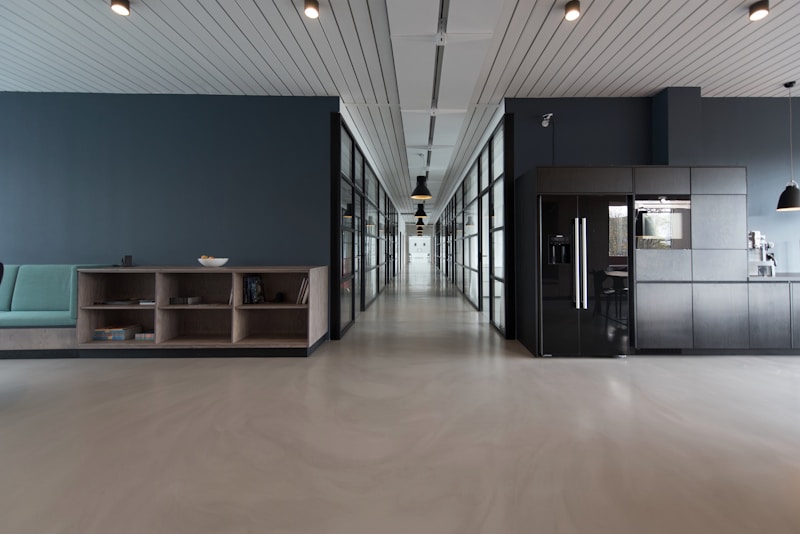
Student Housing & Investment Property Marketing — Photography That Sells to Both Landlords and Student Tenants
Photography for a student rental property marketed to tenants should prioritise the bedroom experience above every other room in the house. Bedroom photography gets three to four times the click-through attention on student portals and Facebook share groups than any other image in the gallery. Every single bedroom on the floor plan needs its own dedicated, bright, clean, styled photograph, ideally showing the actual furnished state if the property is rented furnished: a good sized desk, an ergonomic chair, decent wardrobing, natural light, air conditioning or heating, and a comfortable bed. Multiple students sharing a property will choose their individual bedroom sight unseen based on these photos, and the quality of the bedroom photography directly impacts how quickly a full house of applications can be assembled.
Purpose-built student housing, share houses, and university-adjacent investment properties have a dual audience: the investor landlord buying the asset, and the students who will ultimately live in it. One marketing package needs to speak clearly to both.
Shared spaces — kitchen, communal lounge, external courtyard or balcony, shared bathrooms, laundry, and on-site bike storage or study nooks — need to be photographed clean, bright, empty of mess, and preferably staged with a single coffee mug on the kitchen island, an open laptop on the dining table, or a stack of textbooks on the lounge side table to gently imply student life without being cheesy. The most common mistake in student property photography is a messy communal kitchen full of half-empty cereal boxes, random unwashed dishes, and plastic takeaway containers. It takes five minutes to clean and costs the landlord literally nothing, yet it remains the single most common reason a student scrolls past an otherwise perfectly acceptable listing.
- student accommodation marketing
- student apartment photography
- HMO investment property
- rental yield marketing for investors
For the investor buyer audience, the media package needs to add a completely separate supplementary set of documents and images alongside the tenant-facing gallery and video. A one-page branded investment snapshot infographic should display prominently: fully-furnished weekly rent per room, projected annual gross rent, the last two to three years of actual occupancy history, the current tenancy agreement structure, the walkable distance to the nearest university campus in minutes, comparable student property yields for the suburb, and a single clearly visible headline number for the projected gross yield. Investment buyers do not waste time scrolling through twenty bedroom photos looking for numbers; the numbers need to be front and centre on the listing page itself.

Video content for student property works best as a fast-paced, casual, ninety-second walkthrough video hosted on a phone camera, narrated by a student-age presenter or a young leasing agent, rather than a formal cinematic drone and gimbal shoot. Student tenants consuming listings on TikTok, Facebook groups, and university social media threads trust a casual honest walkthrough, pointing out both the pros and minor cons of the property, far more than they trust a slick corporate video that feels like a sales pitch. Investment-focused buyers benefit from a separate formal two-minute property overview, with drone footage of the campus proximity, clear on-screen yield calculations, and a stable gimbal walkthrough of every room and structural element.
Location photography is disproportionately important for student property listings relative to almost any other residential category. A good student property media package will include dedicated, professionally shot photographs of the main university campus entrance, the nearest train, tram, or bus stop, the local grocery store, the closest popular café and pub, the university gym or sports centre, and any nearby library or 24-hour study hub. Most student tenants will have never been to the city their university is in before they sign a lease, so clear photography of the local area dramatically increases their confidence in signing a twelve-month contract sight unseen.
The highest-performing real estate agencies and property managers specialising in the student housing market build two completely separate digital brochures for every single listing they take on. A bright, lifestyle-focused, tenant-facing brochure distributed to student share groups, portals, and university housing boards, and a clean, data-heavy, yield and numbers-focused investor brochure distributed to the investor buyer database, mortgage brokers specialising in investment lending, and local buyer advocates who represent investor clients. Separating the two audiences and giving each one exactly the information they want in exactly the format they prefer dramatically reduces enquiry friction and increases conversion on both sides of the transaction.