

Seasonal Real Estate Marketing: Photography & Content Strategy for Spring, Summer, Autumn, and Winter
A property that photographs beautifully in October will look completely different in March. Great agents adjust their entire marketing approach, photo styling, and content calendar to the season rather than fighting it.
Seasonality is the single biggest under-exploited lever in real estate marketing. Every residential market in the world has a seasonal pattern: a busy selling season, a slow holiday season, a wet or dry period, a spring blossom window, a long hot summer, a cold winter with short days. The default approach most agents take is to pretend these seasons do not exist and to market every listing the exact same way regardless of the month. The best agents lean into the advantages of each season, minimise the disadvantages, and build entire content and styling strategies around the specific mood of each quarter.
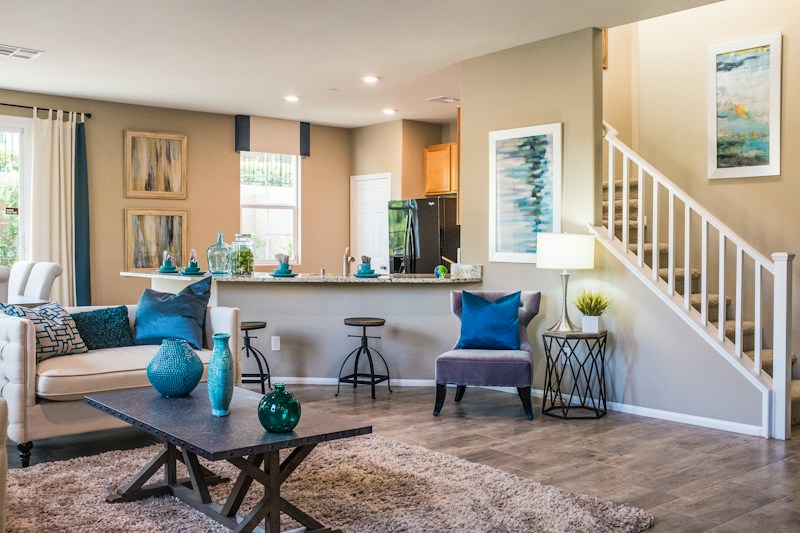
Seasonal Real Estate Marketing: Photography & Content Strategy for Spring, Summer, Autumn, and Winter
Spring is the most popular selling season in almost every temperate market for a reason. The long, warm days with soft golden light, green gardens in new leaf, blooming blossoms, and clear weather make almost every property look its best. Spring photography strategy should lean heavily on exteriors and gardens. Outdoor entertaining areas should be shot with vibrant living gardens, blossom trees should be in full bloom in background photographs, windows should be wide open to let the light flood in, and a bright, airy, light-filled colour grade should be used for the final gallery. Marketing copy and social content in spring should lean into themes of fresh starts, garden entertaining, and the year ahead. The content calendar should be packed with new listings, open house campaigns, and spring market reports.
A property that photographs beautifully in October will look completely different in March. Great agents adjust their entire marketing approach, photo styling, and content calendar to the season rather than fighting it.
Summer real estate marketing rewards a focus on water, outdoor living, travel, and relaxation. Pool photography, beach proximity, veranda entertaining, barbeque areas, shaded courtyards, and cooling interior design elements should all be highlighted. Summer marketing images should feel bright, warm, colourful, and unhurried. Summer is also the season of twilight exterior shoots, where the long warm evenings give extended windows for shooting stunning golden-hour and blue-hour exteriors. Agents whose listings include a swimming pool, an outdoor kitchen, or a beachside location should prioritise dedicated summer photography for these features rather than reusing winter stock shots. Social content in summer can be slightly more relaxed and lifestyle-focused than the rest of the year.
- seasonal real estate marketing
- winter property photography tips
- spring summer autumn home selling
- seasonal real estate content calendar
Autumn or fall marketing is one of the most visually undervalued real estate seasons. Crisp golden light, red and orange autumn foliage, cozy interior textures, fireplaces, candles, and earthy colour palettes all photograph beautifully, yet most agents simply treat autumn as the pre-Christmas run-up instead of a selling season in its own right. An autumn marketing strategy should lean into cozy imagery: lit fireplaces, chunky knit throws on couches, warm-toned soft furnishings, steaming mugs in kitchen scenes, and rich exterior foliage. Marketing copy should talk about settling into a home before the holiday season, school catchment planning for the following year, and preparing for winter comfort. Autumn market reports consistently outperform generic reports because the data feels more immediately relevant to buyers making plans for the end of the year.

Winter is the most feared and misunderstood of all real estate marketing seasons, and the one where the biggest opportunity exists for agents who know what they are doing. The default assumption that 'nobody buys in winter' is false — serious buyers shopping in winter are typically far more committed and ready to transact than casual spring browsers. The challenge is purely aesthetic: short days, grey skies, bare gardens, and the risk of rain or snow make photography significantly harder. A smart winter photography strategy uses artificial lighting more heavily, shoots interiors warmer and brighter, prioritises fireplace scenes and cozy winter living, uses rugs and layers for interior styling, and schedules exterior shoots tightly for the narrow midday window of the brightest weather. Social and content strategy during winter should focus on case studies of properties that successfully sold during the cold months, to push back against the narrative that nothing sells in winter.
The biggest seasonal mistake most agents make is using the same generic listing photos from one season in a completely different one. Reusing bright spring pool photographs from a summer shoot for a winter re-list six months later, for example, makes the listing feel stale and outdated as soon as a buyer drives past the actual property and sees the bare trees and empty pool. If a property is being re-listed into a new season, at minimum the hero exterior photograph and any major outdoor imagery should be re-shot to match the current reality. A small investment in updated seasonal photography eliminates buyer distrust and makes the property feel fresh on the market.
Agencies that build a full four-season marketing strategy, with pre-planned styling checklists, content templates, social media themes, and photography guidelines for each quarter of the year, consistently outperform agencies that operate on a permanent 'business as usual' autopilot. Their listings read as more relevant, more thoughtful, and more in touch with what buyers are actually thinking and feeling during each month of the year. Over a full business cycle, that seasonal relevance translates into more listings, faster sales, and better prices for every client.