

Real Estate Video Editing & Post-Production Workflow — A Photographer's Complete 2026 Guide
Raw footage from a property shoot is only ever half the job. A disciplined editing and colour grading workflow turns an average collection of clips into a cinematic film that sells homes at a premium.
Shooting a cinematic property video on location is a craft in its own right, but the final quality of a delivered property film lives or dies in the editing suite. Many new real estate videographers invest thousands in camera bodies, gimbals, lenses, and drone equipment, then treat the post-production process as a quick drag-and-drop into a template. The best operators in the industry spend at least as long editing a premium property film as they do shooting it, and the difference in the finished product is immediately obvious to agents and end buyers.
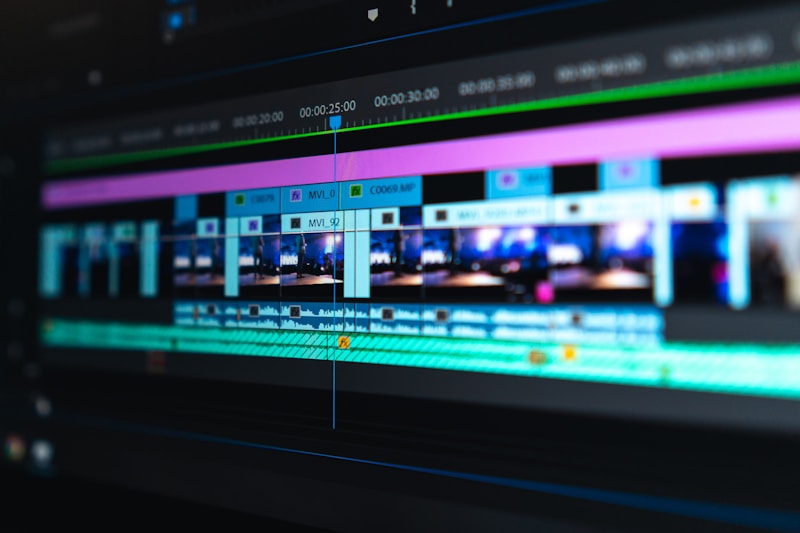
Real Estate Video Editing & Post-Production Workflow — A Photographer's Complete 2026 Guide
The first step in any consistent real estate video workflow is a proper clip ingestion, logging, and synchronisation routine before any editing begins. Raw clips should be copied into a consistent dated folder structure, backed up twice immediately, logged by room and shot type, then synchronised with dedicated shoot-day ambient room tone, separately recorded room tone, licensed background music, and any client voiceover or branded sound effects. Editing workflows that skip this foundational logging step always waste hours later hunting for a specific shot of a kitchen detail or a bathroom vanity halfway through a project.
Raw footage from a property shoot is only ever half the job. A disciplined editing and colour grading workflow turns an average collection of clips into a cinematic film that sells homes at a premium.
Rough cut structure for residential property films should follow a consistent emotional narrative arc rather than a room-by-room list. The established industry baseline for a two to three minute film is: a one to two second brand logo sting, followed by a ten to fifteen second drone establishing reveal shot, then a flow through the home that moves naturally from entry to living spaces to kitchen to entertaining zones to bedrooms to bathrooms to outdoor and back to a final hero exterior shot with agent or developer branding. Clients who request a strict chronological walk from front door to back garden almost always change their mind after seeing the narrative-style cut.
- real estate video editing
- property film post production
- video colour grading workflow
- cinematic video timeline
Clip pacing and shot length is the single biggest stylistic difference between an amateur property video and a professional one. Cinematic slow pan, drone, and gimbal establishing shots should run between four and seven seconds. Detail and transition shots of door hardware, benchtop textures, lighting fixtures, artwork, tapware should run between one and a half to two and a half seconds. Excessively long, unmotivated static shots of empty rooms lose scrolling viewer attention within the first twenty seconds of a listing film, while a film that cuts every half second feels rushed, unsettled, and gives the viewer no time to absorb the details of the space.
Colour grading for real estate video in 2026 has moved firmly away from the overly cool, heavily desaturated, teal-and-orange social media trend of five years ago. The modern premium look is warm, natural, clean, and true-to-life: consistent neutral skin and wood tones, natural exterior sky colour, gently lifted shadows in dark rooms without digital noise, no clipped highlights on window views, and a subtle gentle vignette on hero interior shots that draws the viewer's eye into the room. Every shot in a delivered film needs to match in exposure, colour temperature, and contrast so the viewer never notices a jarring shift between two consecutive clips from different rooms.
Music licensing, title overlays, call to action graphics, and branded end cards are the finishing details that separate a generic background house montage from a professional, measurable marketing asset. Background music should be licensed from a reputable production music library, never ripped from YouTube, and matched in tone and tempo to the price point and aesthetic of the property — upbeat energetic pop for a family home, ambient cinematic piano for a luxury estate, modern minimal electronica for a new inner-city apartment. A single clear call to action at the end of the film, with agent photo, phone number, and property website link, dramatically increases click-through to listings when the film is shared outside major portals.
The best real estate video editing teams build and refine a master template project file for every new season of the year, then customise it per listing rather than building every single project from scratch. Over the course of a busy year this dramatically reduces per-job turnaround time, keeps style consistent across every deliverable to an agency, and makes it easy to onboard a new editor without a months-long training process. Teams who pair a consistent master template with a rigorous clip logging routine consistently deliver higher-quality films in less time than teams who treat every job as a blank creative canvas.