

Property Auction Marketing Campaigns — Photography, Videography, and the 28-Day Launch Playbook
A four-week auction campaign is a different beast to a private sale. The media, the photography, the video, the cadence of content — everything needs to build deliberate, measurable urgency over exactly 28 days.
Private sale marketing campaigns can afford to be gentle, long-term, evergreen assets that sit on the market and slowly build interest over months. Auction campaigns cannot. A standard 28-day residential auction is a compressed, deliberately orchestrated event marketing campaign, designed to build competitive tension from zero to a live crowd of registered bidders in a short window of time. The photography, videography, floor plan, copy, listing copy, social cadence, open house schedule, and printed collateral all need to work in lockstep to deliver a pre-agreed number of registered bidders on auction day.
Property Auction Marketing Campaigns — Photography, Videography, and the 28-Day Launch Playbook
Photography and videography for an auction campaign should be booked, shot, edited, and delivered in the first five business days after the agency agreement is signed, not slotted into a leisurely two-week production pipeline. The first week of an auction campaign is the most critical: the property goes live on portals, the first database blast goes out, the first paid social ad campaign launches, and the first open house is scheduled for weekend one. Agents who delay the media production by a week effectively throw away the most valuable seven days of buyer attention the listing will ever get. A dedicated priority turnaround window for auction photography and video is a non-negotiable requirement for any vendor serious about auction as a sales method.
A four-week auction campaign is a different beast to a private sale. The media, the photography, the video, the cadence of content — everything needs to build deliberate, measurable urgency over exactly 28 days.
The hero gallery for an auction listing needs to be larger, more comprehensive, and more polished than the equivalent gallery for a private treaty listing of the same property. The goal of an auction gallery is not just to get a buyer to enquire; it is to get an already-interested buyer to commit the time and emotional energy required to do their due diligence, organise building and pest inspections, speak to their bank, and register as a bidder. A premium auction property gallery should add a full set of twilight exterior photographs, a dedicated detail gallery of high-end finishes and fixtures, and at minimum a branded floor plan PDF embedded directly alongside the gallery rather than buried at the bottom of the listing.
- auction marketing real estate
- 28 day auction campaign timeline
- auction property photography
- auction listing videography
Property films for auction listings benefit from a faster edit pace, a slightly shorter runtime of between ninety seconds and two minutes, and one or two explicit auction callouts embedded directly in the film itself. Closing text on the video should state clearly the auction date, auction time, the on-site or in-room auction location, and the listing agent's direct phone for registration enquiries. Auction teams who run paid social video campaigns consistently report their best results when the paid video edit is a tight, punchy thirty to forty five second cutdown of the full property film, designed specifically to interrupt scrolling and end with a clear 'click through to register' call to action rather than a passive 'learn more' button.
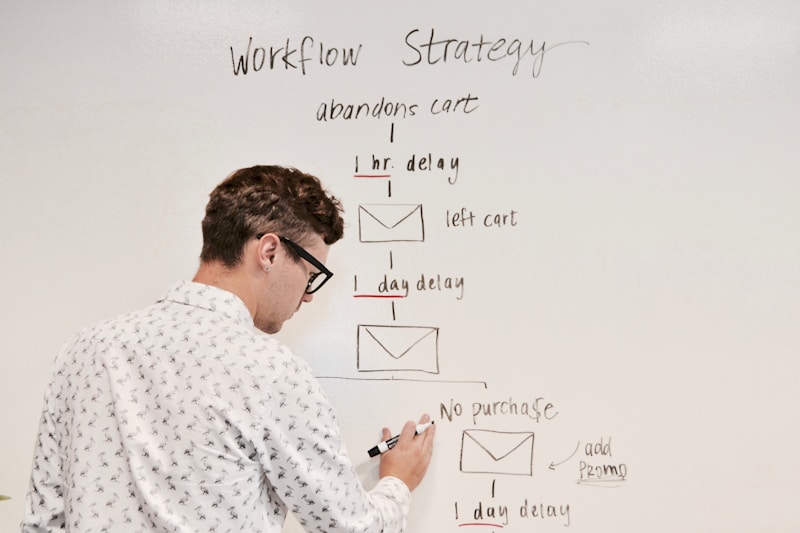
The content cadence across the four weeks of the campaign follows a deliberate four-stage structure. Week one: full media drop, portal listing live, agent database blast, initial paid social launch, first open house. Week two: the first market update post, a short Reel or TikTok walking through the three most common buyer objections with answers, the second open house, and an early price guide update or comparable recent sale post if the market supports it. Week three: the testimonial content — a past auction vendor video testimonial, a short video from the auctioneer explaining the auction process to nervous first-time bidders, and the third open house. Week four: the final push, an urgent urgency post with a 'last chance to register' message, reminder SMS to the buyer shortlist, and the final captain's call open event typically held the Thursday before auction day.
Signage, print, and brochure collateral for on-site auctions needs to be planned and proofed alongside the digital media, not weeks later. High-quality, professionally printed auction brochures — full colour, thick stock, a hero photograph on the front, floor plan on the back, key specifications and the auction date and registration details in between — are distributed at every open house to every single attendee. Serious registered bidders walk into an auction room on the day carrying a folded, well-read brochure from one of the open houses they attended weeks earlier. A good printed brochure is the physical anchor that keeps a property top of mind during a month where a buyer is actively inspecting a dozen competing listings.
The most underdiscussed advantage of running a premium auction campaign is that every single piece of media — hero photography, twilight gallery, property film, floor plan, social cutdowns, printed brochures, auction testimonial videos — all become reusable case study content for the agent for years after the gavel falls. A single beautifully documented auction win in a suburb generates more future listing appointments in that same suburb than almost any other type of content. Agents who treat every auction media package as simultaneously a live campaign for the current seller and an investment in their own future content library will consistently outgrow competing agents who treat auction marketing as a per-job expense rather than a compounding asset.