

New Construction & Developer Project Marketing — Off-Plan, Display Suite, and Build Stage Media Strategy
Selling a home that hasn't been built yet is the hardest job in real estate marketing. A disciplined multi-stage media strategy across renders, display suite, and site progress is the only reliable way to hit sell-out targets.
New construction, off-the-plan, master-planned community, multi-unit development, and boutique townhouse project marketing is the single highest-stakes discipline in the entire real estate marketing industry. A developer's entire profit margin on a multi-million-dollar project can live or die on the strength of the pre-launch and launch marketing campaigns, long before a single physical home is ready to be photographed. A proper developer project media strategy spans three fully distinct stages — the pre-construction off-plan stage, the display suite and sales office launch stage, and the ongoing construction stage through to completion and settlements — and requires a different media mix, a different content tone, and a different photography and video approach for each one.
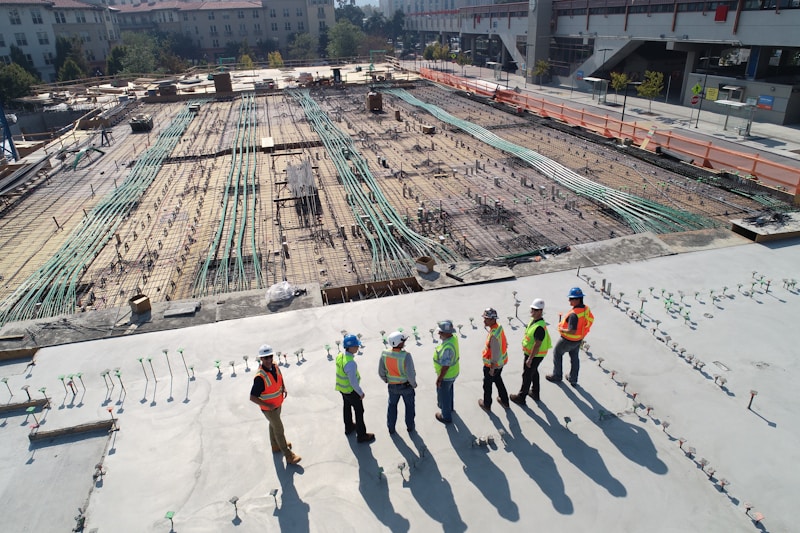
New Construction & Developer Project Marketing — Off-Plan, Display Suite, and Build Stage Media Strategy
The pre-construction off-plan stage relies almost entirely on high-quality architectural renders, massing renders, and photocomposited 3D imagery, because nothing physical yet exists to photograph. The single most common costly mistake most smaller developers make at this stage is buying a cheap render package from a low-budget offshore studio. Render quality is immediately obvious to a buyer within the first two seconds of looking at an image. A premium architectural render package for a development project should include a range of day and dusk external hero renders, internal kitchen, living, bedroom and bathroom renders for each dwelling type or floor plan, a 3D site master plan rendered onto the actual context of the surrounding area, a set of floor plan renders with furniture overlay, and ideally a one to two minute cinematic 3D flythrough animation video of the full development. The investment in a top-tier render package is almost always returned many times over in a higher sell-through rate at a higher price per square meter in the first two months of the campaign.
Selling a home that hasn't been built yet is the hardest job in real estate marketing. A disciplined multi-stage media strategy across renders, display suite, and site progress is the only reliable way to hit sell-out targets.
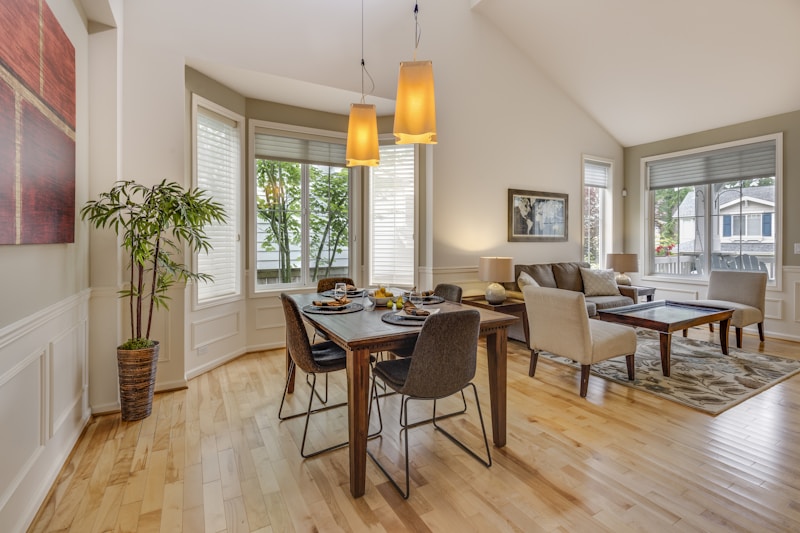
Display suite and sales office photography and videography is the first stage of a project where physical real-world photography finally becomes possible, and it is where most project marketing teams drop the ball dramatically. A display suite should be documented like a premium luxury furnished residential home, not like a temporary sales tent in a paddock. A full day professional photography session should include a complete hero gallery of the display interior, detailed finishes and fixtures photography, wide shots of the sales office and customer seating areas, professional lifestyle shots of client meetings happening naturally in the space, twilight and dusk exteriors of the display suite facade with all branding and signage clearly illuminated, and aerial drone shots showing the display suite in the context of the actual construction site and surrounding future stages. A professionally shot display suite gallery doubles the perceived professionalism and credibility of a new project in the mind of a first-time visitor researching online before their appointment.
- developer project marketing
- off plan property renders
- display suite photography
- construction stage updates
Project launch video content for a new development benefits from a combined approach mixing the best of 3D animated renders with real-world location footage of the surrounding area. The standard industry formula that consistently sells projects well across every price point is a three to five minute launch film structured as follows: an opening cinematic drone establishing shot of the surrounding suburb, lifestyle location footage of the local shops, beaches, parks, schools and transport, animated 3D renders of the project rising from the land in context, a walkthrough transition into the physical display suite interior filmed with a gimbal, soundbites from the developer, the architect, and the interior designer talking through their vision, and closing with clear text overlays showing the project name, stage 1 launch date, and the sales team contact details. Separate cutdown edits of fifteen seconds, thirty seconds, and sixty seconds should be produced at the same time for paid social media advertising campaigns.
Construction stage update photography and progress video content is the most chronically under-produced media type on most developer projects, yet it is the single highest trust-building piece of content for buyers who have already signed contracts and paid deposits. A monthly documented site visit from a professional photographer and videographer, producing twelve to fifteen clean labelled progress photos and a short two minute drone walkthrough update video, shared directly with every contracted buyer via email and SMS, drastically reduces the number of anxious buyer phone calls to the sales office during the build, dramatically reduces settlement risk caused by last-minute buyer cold feet, and turns contracted buyers into brand advocates who happily refer their friends and family to remaining unsold lots in the same project. The cost of a small monthly media retainer for site progress work is minimal compared to the cost of even a single buyer pulling out of a hard-won off-plan contract late in the build.
Print, signage, and on-site branding collateral for a new development needs to be designed and produced in parallel with the digital media campaign, not thrown together the week before launch as an afterthought. Professionally designed and printed project brochures, floor plan books, finishes and fixtures sample guides, site hoarding signage, display village wayfinding signs, and branded free giveaways for display suite visitors all reinforce the credibility of a project when delivered consistently. A buyer walking away from a display suite appointment with a thick, beautifully printed, well-bound project brochure in their hands is far more likely to return for a second appointment and ultimately proceed to contract than one who is handed a single thin A4 printed sheet at the end of a meeting.
Developer project marketers who document every single stage of the build process thoroughly, from early render concepts right through display suite launch to final handover celebrations, build a permanent reusable library of case study material for the development company that becomes an invaluable pitching asset for the next project. A developer that can show a prospective joint venture landowner a polished, photographically illustrated ten-page case study of their last three completed projects — including sell-out rates, settlement rates, construction progress updates, marketing campaign imagery, and final handover photography — will win that land partnership pitch against competing developers every single time, regardless of who offers the slightly higher headline price.