

Eco, Green & Sustainable Property Marketing — Photography & Content for Energy Efficient Homes
Buyers will pay measurable premiums for energy-efficient homes in 2026 — if an agent actually shows, rather than tells, the sustainable features. Here is exactly how to photograph and market eco-friendly properties.
Sustainable, energy efficient, eco-friendly, all-electric, net-zero — regardless of the marketing label, green residential properties are consistently selling for measurable price premiums over comparable non-rated properties in every market where good data is available. The problem for most listing agents is that most sustainable upgrades to a home are functionally invisible to a standard real estate photo shoot. A 10kW rooftop solar array, top-tier wall insulation, double-glazed windows, a reverse-cycle ducted heat pump, a home battery storage system, and a harvested rainwater tank all cost tens of thousands of dollars to install and save a buyer enormous amounts on annual running costs, but none of them photograph themselves.
Eco, Green & Sustainable Property Marketing — Photography & Content for Energy Efficient Homes
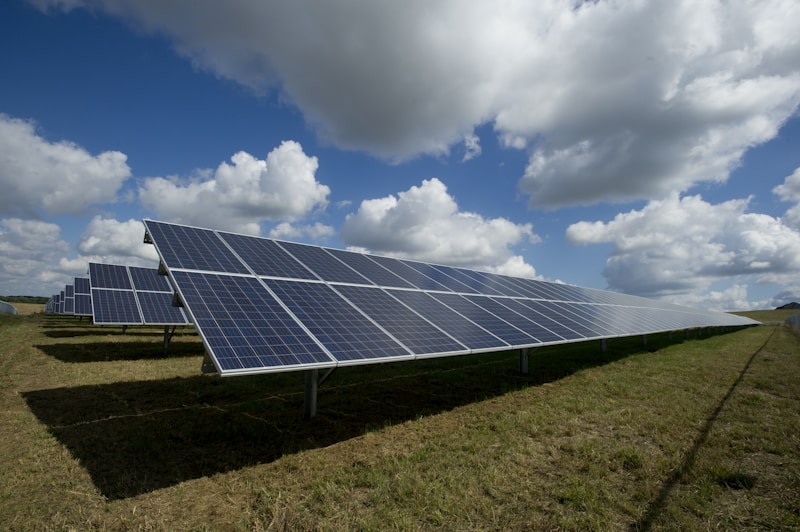
Photography for sustainable homes needs to follow a deliberate two-part structure: photograph the visible lifestyle features of the home exactly the same way a standard listing would, then add a dedicated second gallery of feature photography that documents every major sustainable upgrade on the property. Rooftop solar panels deserve their own dedicated hero photograph, ideally from a slight elevated drone angle that shows panels cleanly and without glare. The inverter, battery banks, and heat pump condenser units deserve their own interior or exterior detail shots. Double-glazed windows and insulation are hard to photograph directly, but they can be illustrated with beautiful interior shots featuring window close-ups, labelled text overlays, and supporting copy that explains the comfort benefit in winter and summer.
Buyers will pay measurable premiums for energy-efficient homes in 2026 — if an agent actually shows, rather than tells, the sustainable features. Here is exactly how to photograph and market eco-friendly properties.
Energy rating certificates, thermal performance data, and annual running cost estimates deserve dedicated branded graphic tiles embedded directly in the online photo gallery, not buried as a PDF download at the bottom of a listing. A single-page branded infographic tile showing a six or seven-star energy rating with a one-line summary of the estimated average annual electricity and gas bill for the property, compared against a standard comparable home in the same suburb, converts more buyers to pick up the phone than almost any other single marketing asset. Agents who make this data visually prominent in every sustainable home listing report receiving far fewer lowball offers from buyers who have not yet understood the long-term value difference.
- sustainable property marketing
- energy efficient home photography
- eco friendly real estate media
- solar panels house listing photos
Copy and narrative around a sustainable home should lead with lifestyle and comfort benefits first, technical specifications second, and environmental virtue last. The vast majority of buyers paying a premium for an energy efficient house are making their buying decision for three practical reasons: dramatically lower quarterly power bills, a house that is warm in winter and cool in summer without expensive heating and cooling running 24/7, and a future-proof home that will not require expensive retrofit upgrades as energy regulations tighten. A marketing narrative that leads with these three buyer-centric selling points will always outperform a listing that opens by talking about the environment and carbon reduction as its primary pitch.

Video content is disproportionately valuable for sustainable property marketing because it allows an agent or narrator to walk a viewer through the home while verbally explaining the benefits of each sustainable feature as the camera pans over it. A three-minute cinematic tour with a professional voiceover walking through the roof solar system, the battery storage cupboard, the heat pump outlets in every room, the double glazing detail, the rainwater plumbed into the laundry and toilets, and the EV charging point in the garage converts the invisible value of the upgrades into an emotionally compelling story that a gallery of still photos alone rarely achieves.
All-electric net-zero new homes are the fastest-growing category of sustainable residential marketing in 2026, and the biggest listing mistake most agents make with them is under-communicating the future cost advantage. A buyer comparing a brand new seven-star all-electric home against a similar six-year-old gas connected home will rarely, if ever, do the running cost comparison themselves. Agents who produce a single clear one-page branded document, with professionally shot photography of the home and a simple side-by-side table of estimated bills over ten years, convert these listings faster and at higher prices than agents who treat all-electric as a throwaway bullet point in the listing description.
For agents willing to build a content niche around sustainable property marketing in their local area, the upside is enormous. Almost every market in the world currently has zero agents consistently publishing content on how to evaluate the energy rating of a home for sale, what to look for in solar panel quality when inspecting a listing, what government rebates are available for sustainable upgrades before or after purchase, and how to compare running costs between two similar homes on the market. Owning that content niche generates a steady, targeted stream of high-quality buyers and sellers who specifically care about sustainability, with almost zero competition from other local agents.